
Cardboard Removal in Massachusetts: An Educational Guide
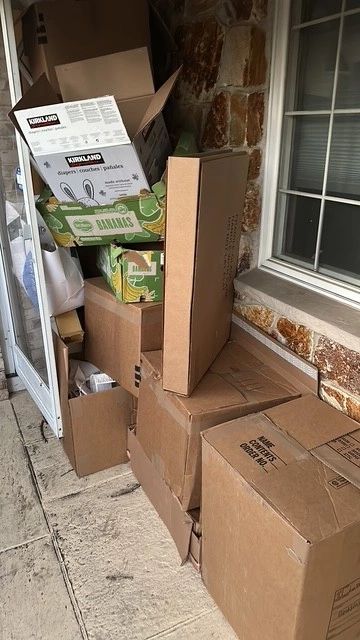
Cardboard Removal in Massachusetts: An Educational Guide for Homes, Businesses, and Communities
Cardboard is one of the most commonly used materials in the world — from online shopping boxes to packaging for food, electronics, appliances, bulk items, and commercial shipments. Massachusetts residents and businesses, especially in places like Taunton and surrounding Southeastern Massachusetts communities, see more cardboard waste today than ever before.
Because Massachusetts is one of the strictest recycling states in the country, proper cardboard removal isn’t just a good practice — it’s essential for keeping neighborhoods clean, reducing environmental impact, and avoiding contamination in recycling streams.
This educational guide explores everything you need to know about cardboard disposal and recycling in Massachusetts, including:
- Why cardboard waste is increasing
- How Massachusetts handles cardboard recycling
- What residents need to know about curbside rules
- How businesses should manage cardboard
- Environmental benefits of proper disposal
- Problems caused by improper cardboard dumping
- The role of junk removal companies
- How SmHaull Junk Removal helps homes and businesses
- Tips for reducing cardboard waste
This article is strictly educational, with no aggressive sales language — only clear information that helps readers understand cardboard waste, local regulations, and best practices to keep communities clean.
1. Why Cardboard Waste Is Increasing in Massachusetts
Over the past decade, Massachusetts has experienced a major rise in cardboard waste for several key reasons:
📦 1. Online shopping (e-commerce boom)
With Amazon, Walmart delivery, Target, and specialty online retailers, households receive more packages than ever. Every shipment adds another cardboard box to the recycling bin.
🏠 2. High rental turnover
Larger cities have large apartment populations. Moving generates:
- Appliance boxes
- Wardrobe boxes
- Electronics packaging
- Furniture shipment boxes
🛍️ 3. Growth in delivery services
Grocery delivery, meal kits, household goods, and office supplies arrive in cardboard packaging that piles up quickly.
🏬 4. Increased commerce in city centers
Restaurants, retail stores, manufacturers, and warehouses receive weekly or daily shipments.
🎁 5. Holiday seasons
Cardboard spikes dramatically during:
- Black Friday
- Christmas
- Back-to-school season
- Tax-free weekend
- Graduation seasons
On average, Massachusetts households generate 30% more cardboard waste during these times.
2. Massachusetts Has Strict Cardboard Recycling Rules
Massachusetts is one of the few states where cardboard:
❌ Cannot be thrown in the regular trash
The state bans cardboard from landfills and incinerators as part of its Waste Bans. Violating this rule can result in:
- Fines
- Trash collection refusal
- Contamination fees
This applies to:
- Homes
- Businesses
- Retail shops
- Warehouses
- Commercial properties
- Offices
- Municipal facilities
♻️ Cardboard is considered “mandatory recyclables”
Massachusetts requires residents and businesses to handle cardboard properly through:
- Municipal curbside recycling
- Transfer stations
- Private recycling services
- Junk removal companies that sort and recycle properly
This is why understanding how to dispose of cardboard correctly is so important.
3. The Right Way to Recycle Cardboard in Massachusetts
While every Massachusetts city has slightly different rules, most follow the same core requirements. Below are the key educational guidelines residents and businesses must follow.
A. Break Down Your Boxes
This is one of the most commonly overlooked rules. Cardboard boxes must be:
- Flattened
- Folded
- Cut down if oversized
Unbroken boxes:
- Take up space
- Cause overflow
- Prevent recycling lids from closing
- Lead to contamination warnings
B. Remove ALL Packing Materials
Massachusetts recycling centers reject cardboard containing:
- Styrofoam
- Packing peanuts
- Bubble wrap
- Plastic air pillows
- Tape (in small amounts acceptable)
- Plastic wraps
- Foam inserts
Residents must remove these before placing cardboard in the bin.
C. Keep Cardboard Dry and Clean
Wet cardboard:
- Becomes moldy
- Contaminates other recyclables
- Cannot be processed
- Gets rejected by curbside trucks
If your bin is outside, try to place cardboard under the lid or wait until rain stops.
D. Do Not Leave Extra Cardboard Outside the Bin
Cities like Taunton will not pick up loose cardboard placed:
- Next to the recycling bin
- Leaned against a fence
- Piled on the sidewalk
- Dumped in an enclosure
Municipal trucks target material inside bins only.
If your volume is too high, you must use:
- Bulk recycling days
- Drop-off centers
- Junk removal services
E. Oversized Cardboard Must Be Cut Down
Large boxes — televisions, mattresses, desks, furniture — must be cut into manageable pieces. If not, they often get left behind.
4. The Problem of Excess Cardboard in Massachusetts Neighborhoods
Improper cardboard disposal creates real problems for cities, including:
1. Overflowing bins & litter
When cardboard piles up, it blows in the wind, clogs storm drains, and spreads across sidewalks, creating frustration for neighbors.
2. Attracting rodents
Wet cardboard or spoiled food packaging attracts:
- Rats
- Mice
- Raccoons
Rodent issues increase dramatically when cardboard is left outside dumpsters.
3. Recycling contamination
If cardboard is mixed with:
- Food waste
- Liquids
- Plastic wrappers
- Foam
…an entire load may be rejected by the recycling center.
4. Increased city cleanup costs
Cities spend thousands annually cleaning illegal cardboard dumping behind:
- Shopping plazas
- Apartment complexes
- Vacant lots
- Dumpster areas
When the city or property owner is forced to handle it, costs are passed on to residents indirectly.
5. Fire hazards
Large cardboard piles — especially in warehouses, alleyways, and loading docks — are highly flammable.
5. Cardboard Removal Challenges for Apartment Buildings
Massachusetts apartment complexes experience the highest cardboard overflow. With:
- High tenant turnover
- Online shopping
- Limited recycling space
- Shared dumpsters
…it’s no surprise cardboard often ends up:
- On the ground
- Behind dumpsters
- In hallways
- Next to trash rooms
- Outside recycling areas
Property managers often deal with:
- Fines
- Complaints
- Overflow
- Pest issues
- City violations
This is why educational outreach to tenants is so important.
6. Businesses in Massachusetts Generate Major Cardboard Waste
Commercial cardboard is extremely common in:
Retail stores
Clothing, electronics, sporting goods, and home goods stores receive huge weekly deliveries.
Restaurants
Food containers, freezer items, and produce shipments produce steady cardboard streams.
Offices
Supplies, paper shipments, and equipment boxes accumulate fast.
Warehouses
Logistics centers often have pallet-sized cardboard loads.
Manufacturers
Bulk packaging and machinery storage create industrial cardboard volumes.
Many businesses lack:
- Space
- Recycling bins
- Time to break down boxes
- Proper disposal systems
As a result, cardboard often piles up behind buildings — which is illegal.
7. Environmental Benefits of Proper Cardboard Removal
Cardboard is one of the most sustainable materials when recycled correctly.
Recycling just one ton of cardboard saves:
- 46 gallons of oil
- 700 gallons of water
- 9 cubic yards of landfill space
- 17 trees
Massachusetts recycles thousands of tons per year, but contamination and improper disposal remain major obstacles.
Proper cardboard disposal:
- Reduces pollution
- Lowers greenhouse gases
- Conserves trees
- Protects Massachusetts wildlife
- Minimizes landfill waste
Even small efforts at home make a difference.
8. When DIY Cardboard Removal Becomes Too Much
Most households can handle normal weekly recycling. But certain situations overwhelm capacity:
Major reasons residents use cardboard removal services:
- Moving in or out
- Apartment turnovers
- Large appliance deliveries
- Renovations
- Cleanouts
- Estate cleanouts
- Holiday season overflow
- Home businesses
- Apartment cleanups
- Amazon / online shopping overload
When recycling bins fill up, cardboard often sits for weeks — unless residents use a service.
9. Why Cardboard Cannot Be Burned or Dumped in Massachusetts
❌ Burning cardboard is illegal
Burning cardboard releases:
- Toxins
- Ink chemicals
- Particulates
- Pollutants
It is considered open burning, which is prohibited except during specific brush-burning dates — and even then, cardboard is banned.
❌ Dumping cardboard is illegal
Leaving cardboard:
- Behind stores
- In alleyways
- On roadsides
- In vacant lots
…can lead to fines for both the dumper and the property owner.
❌ Throwing cardboard in commercial dumpsters without permission is illegal
This is considered illegal dumping, which many Massachusetts towns are cracking down on.
10. How SmHaull Junk Removal Helps With Cardboard Removal (Educational Breakdown)
Although this blog is educational, it’s important to explain how professional removal works so readers understand the process.
SmHaull provides responsible cardboard disposal across Massachusetts by:
✔️ Breaking down boxes
✔️ Bundling loose cardboard
✔️ Sorting and separating recyclable material
✔️ Removing packing material
✔️ Taking cardboard to recycling centers
✔️ Clearing overflow around dumpsters
✔️ Helping apartment complexes regain control
✔️ Providing same-day or next-day pickup when available for oversized loads
This ensures cardboard is recycled properly and doesn’t become a fire hazard, rodent issue, or city violation.
11. Tips to Reduce Cardboard Waste at Home & Work
Reducing cardboard waste is easy with the right habits.
🏠 For Homes:
- Reuse boxes for storage
- Donate moving boxes on Facebook Marketplace
- Flatten boxes immediately
- Buy items in bulk when possible
- Break down packaging before it piles up
🏢 For Businesses:
- Schedule weekly recycling pickups
- Train employees to break down boxes
- Keep dumpsters locked to prevent illegal dumping
- Use balers if you generate large volumes
- Designate a cardboard storage area
Small steps make a big difference.
12. Massachusetts Cities With the Most Cardboard Disposal Needs
Some areas see significantly higher cardboard waste due to population density, rental housing, and commerce.
Cardboard removal is a year-round need in these areas.
Conclusion: Proper Cardboard Removal Keeps Massachusetts Clean, Safe & Sustainable
Cardboard is one of the easiest materials to recycle — but only when handled correctly. When residents and businesses understand local regulations, prepare materials properly, and avoid contamination, Massachusetts benefits through:
- Cleaner streets
- Lower waste costs
- Reduced environmental impact
- Healthier neighborhoods
- Stronger recycling programs
Whether you’re a homeowner overwhelmed with boxes, a business managing weekly shipping waste, or a property manager trying to control overflow, understanding how cardboard removal works is the first step toward responsible waste management.
Need this hauled away?
Call or text a photo — upfront price before we lift a thing.